Trees constantly change as they grow, but their growth patterns can reveal valuable information about their future health and stability. By understanding how a tree develops over time, property owners can identify potential issues before they become expensive or dangerous. Professional tree evaluations focus not only on a tree’s current condition but also on how it is likely to grow in the years ahead. Bronx Tree Company emphasizes inspections, pruning, removal, and arborist care to maintain healthy urban trees.
Trees Don’t Always Grow Evenly
Every tree grows differently depending on its species, environment, and surrounding obstacles. Uneven growth may develop because of:
- Limited sunlight
- Nearby buildings
- Strong prevailing winds
- Poor soil conditions
- Competition from other trees
These factors can create structural imbalances that increase future maintenance needs.

Leaning Doesn’t Always Mean Falling
A slight lean is natural for some trees, but changes in the angle of growth may indicate developing problems.
Professional arborists evaluate whether a lean is caused by:
- Normal growth habits
- Root movement
- Storm damage
- Soil instability
- Structural weakness
Early evaluation helps determine if corrective action is necessary.
Branch Growth Reveals Structural Issues
The direction and spacing of branches tell a great deal about a tree’s long-term stability.
Warning signs include:
- Multiple trunks competing for dominance
- Crossing branches
- Narrow branch attachments
- Heavy growth on one side
- Excessive canopy weight
Corrective pruning during early growth often prevents major structural issues later.
Root Growth Influences Everything Above Ground
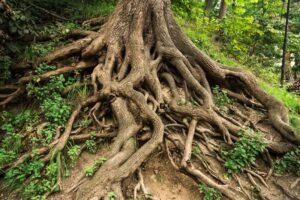
A healthy canopy depends on an equally healthy root system. When roots encounter sidewalks, foundations, underground utilities, or compacted soil, the tree adjusts its growth in ways that may affect long-term stability.
Monitoring root development helps reduce future conflicts with surrounding infrastructure.
Growth Speed Can Signal Health Problems
Trees that suddenly grow much slower—or much faster—than expected may be responding to environmental stress.
Changes in growth rate can indicate:
- Nutrient deficiencies
- Soil problems
- Insect activity
- Root damage
- Disease development
Regular monitoring helps identify the underlying cause before visible decline occurs.
Urban Conditions Affect Tree Development
City trees rarely grow under ideal conditions. Limited planting space, traffic pollution, and nearby construction all influence how trees develop over time.
Professional tree care helps reduce these environmental stresses through proper pruning, soil management, and routine inspections.
Long-Term Planning Protects Property
Understanding future growth allows homeowners to avoid common problems such as:
- Branches interfering with roofs
- Trees blocking utility lines
- Root systems lifting sidewalks
- Overcrowded landscapes
- Reduced sunlight reaching gardens
Planning ahead minimizes expensive corrective work in the future.
Benefits of Monitoring Tree Growth
Regular professional evaluations provide several long-term advantages:
- Healthier tree development
- Improved structural stability
- Lower maintenance costs
- Reduced storm damage risk
- Better landscape planning
- Increased property safety
- Longer tree lifespan
Conclusion
A tree’s future is often visible in the way it grows today. By monitoring growth patterns, correcting structural issues early, and providing routine professional care, property owners can prevent future hazards while preserving healthy, beautiful trees. Investing in proactive tree management helps create a safer landscape and ensures your trees continue adding value to your property for decades.