When homeowners think about tree care, they often focus on trunks, roots, or large branches. However, the crown—the upper portion of a tree made up of branches and leaves—plays a critical role in the health of both the tree and the surrounding landscape. A well-maintained crown supports healthy growth, improves safety, and benefits nearby plants, while a neglected crown can lead to long-term problems.
What Is a Tree Crown?
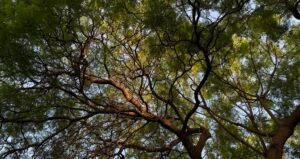
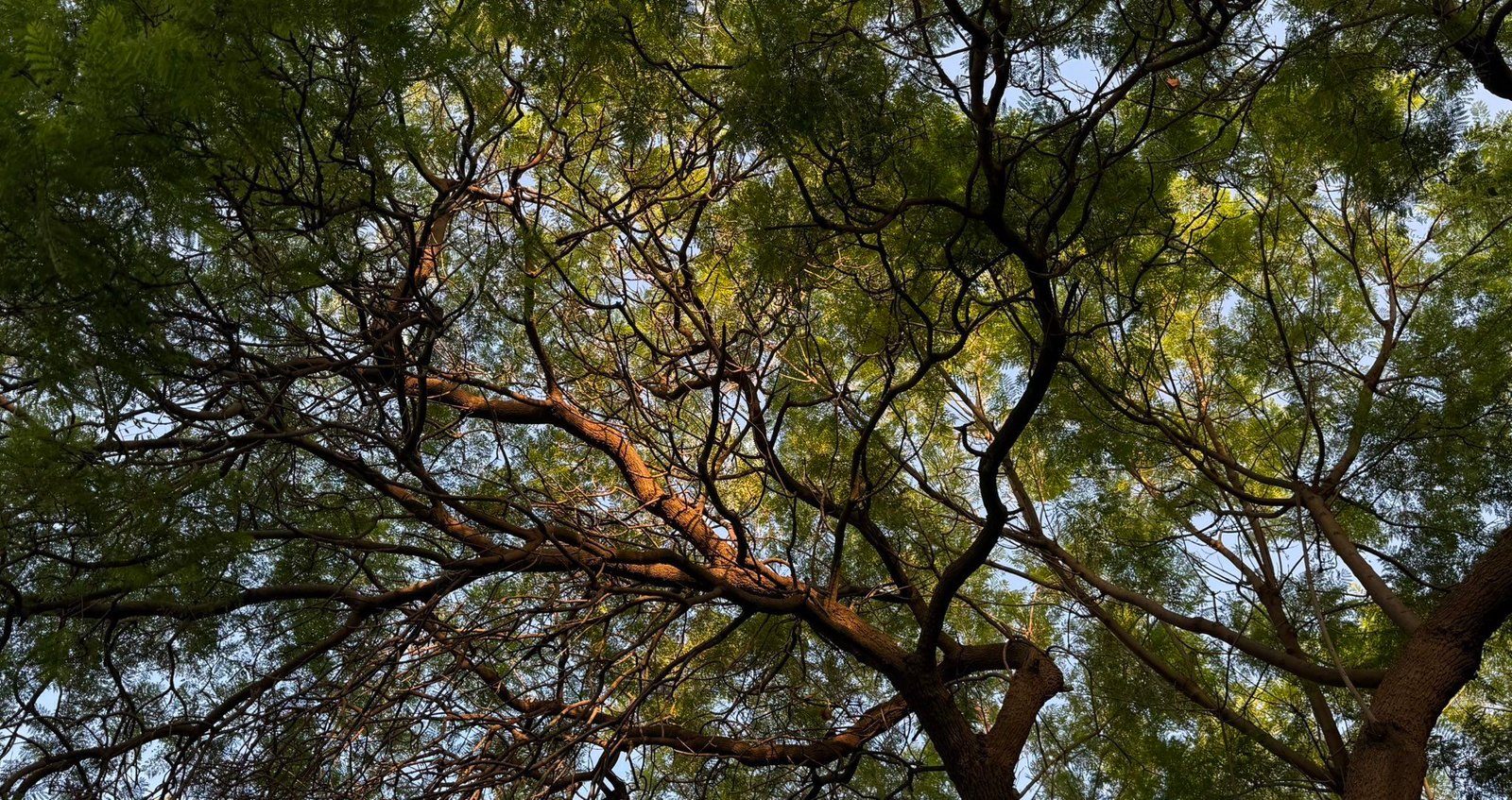
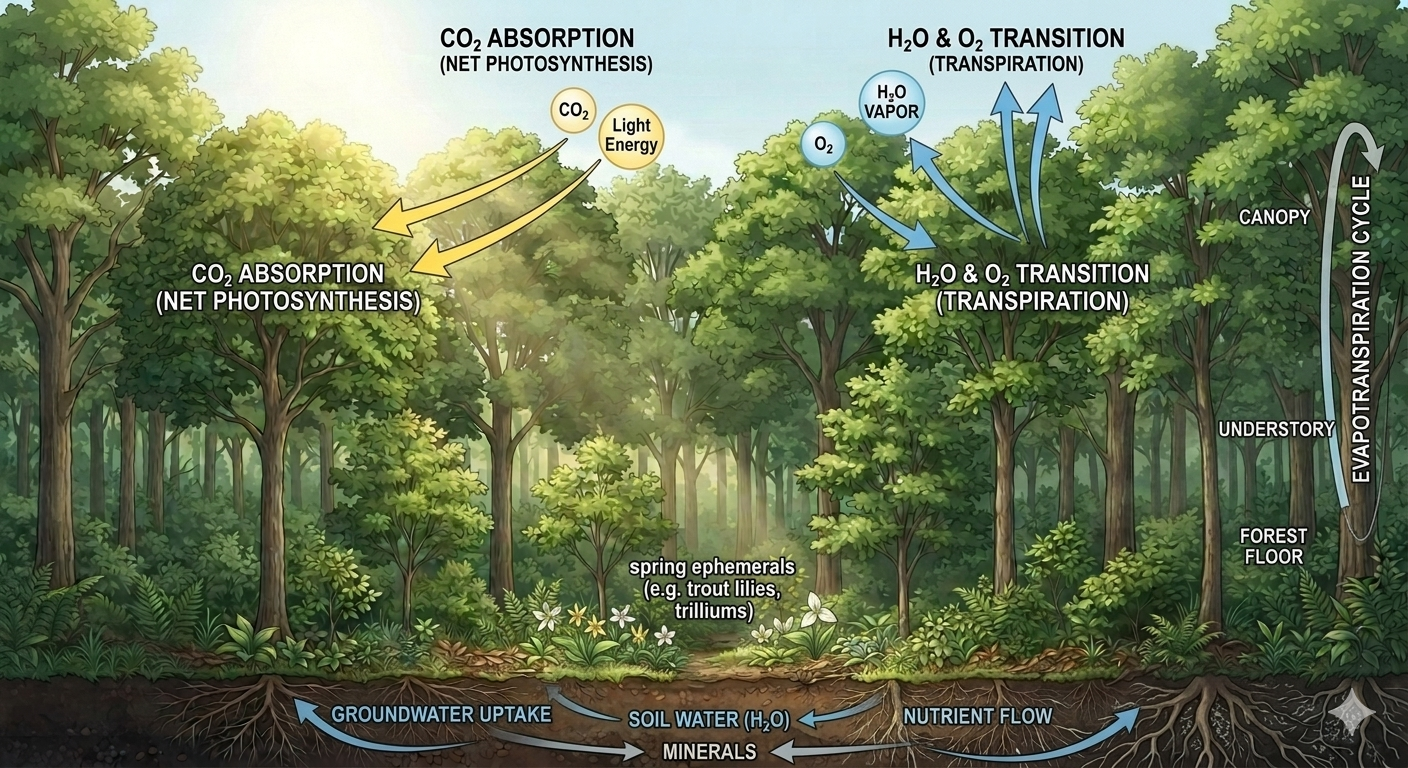
The tree crown is the collection of branches, twigs, and leaves that extends from the main trunk. It is where photosynthesis takes place, allowing the tree to convert sunlight into energy.
A healthy crown contributes to:
- Strong branch development
- Healthy leaf production
- Balanced growth
- Efficient nutrient distribution
Maintaining the crown is essential for long-term tree health.
A Dense Crown Can Limit Plant Growth
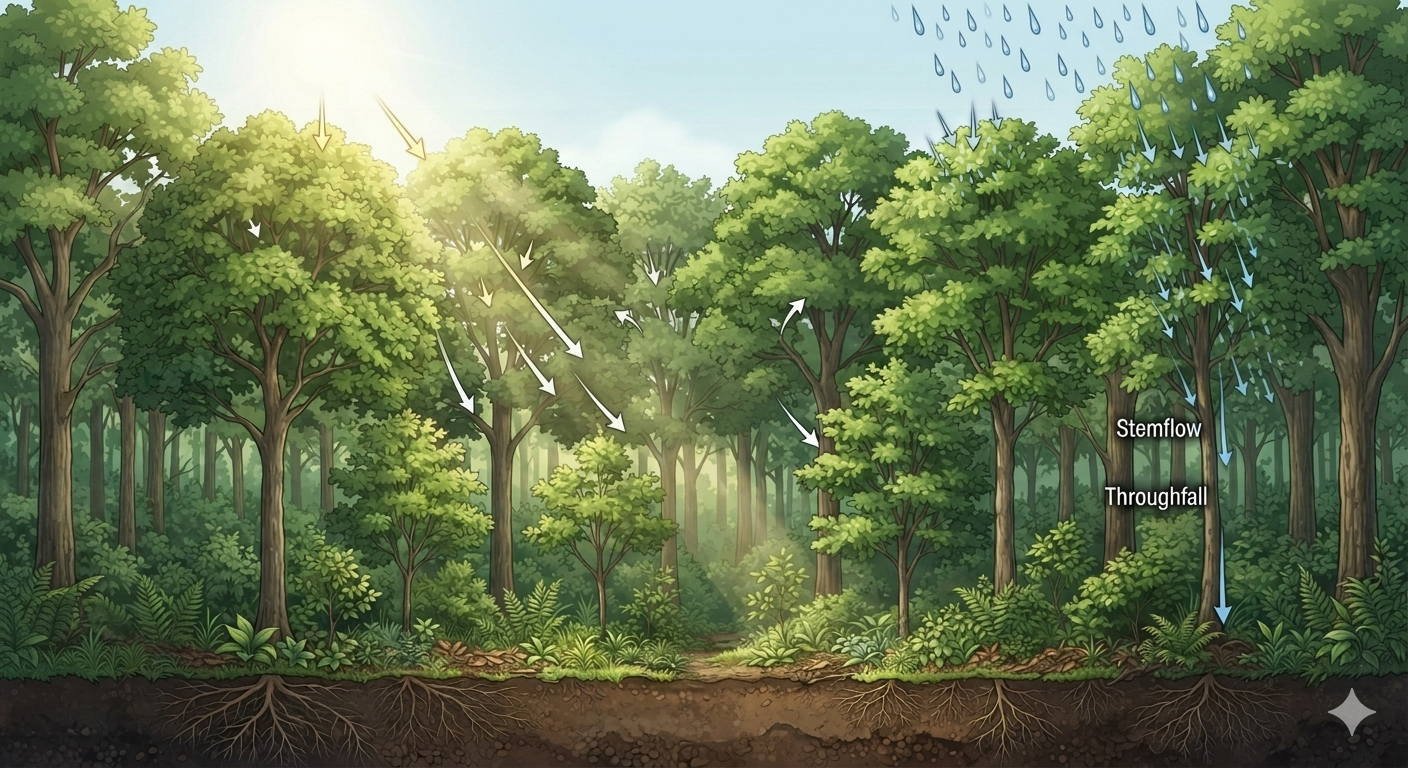
An overgrown crown may block excessive sunlight from reaching your lawn, shrubs, flowers, and smaller trees.
Limited sunlight can lead to:
- Thin or patchy grass
- Slow-growmore sunlight to reach the landscape without removing the tree.
Better Airflow Supports Healthier Trees
Crowded branches restrict airflow throughout the canopy. Moisture trapped inside a dense crown creates favorable conditions for fungal diseases and insect activity.
Professional crown management improves ventilation by removing carefully selected branches while preserving the tree’s natural appearance.
Balanced Crowns Improve Stability
Uneven growth causes unnecessary stress on branches and the trunk. Trees with heavy growth on one side are more vulnerable during storms.
Corrective pruning helps create a balanced crown by:
- Removing overcrowded limbs
- Reducing excess weight
- Encouraging even growth
- Strengthening branch structure
Balanced trees are generally safer and more resilient.
Crown Maintenance Improves Tree Health
Healthy crowns allow trees to produce energy more efficiently. Removing dead, diseased, or damaged branches helps redirect nutrients to healthy growth.
Routine maintenance also makes it easier to identify early signs of:
- Pest infestations
- Disease
- Deadwood
- Structural defects
Early intervention can prevent more serious issues.
Protect Buildings and Outdoor Spaces
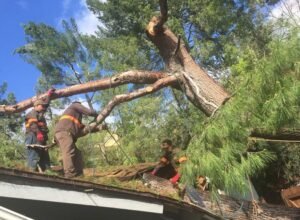
Branches extending from an unmanaged crown may eventually interfere with nearby structures.
Professional crown maintenance helps prevent contact with:
- Roofs
- Windows
- Fences
- Power lines
- Driveways
- Walkways
Maintaining proper clearance reduces the risk of property damage.
Improve the Beauty of Your Landscape
A healthy, well-shaped crown enhances the overall appearance of your property. Proper pruning preserves the tree’s natural form while creating a cleaner and more attractive landscape.
Well-maintained trees also increase curb appeal and property value.
Why Professional Crown Care Matters
Tree crowns should never be heavily cut or “topped.” Improper pruning can weaken the tree, encourage poor regrowth, and increase the risk of disease.
Professional tree specialists understand how to manage crowns using industry-approved pruning techniques that support long-term health and safety.
Conclusion
The tree crown is much more than a collection of branches and leaves—it is the engine that powers healthy growth and supports your entire landscape. Through regular professional crown maintenance, homeowners can improve tree health, reduce safety risks, encourage healthier surrounding plants, and maintain a beautiful outdoor environment for years to come.